
5 min read

How Climate Change Is Threatening Your Morning Coffee

How Climate Change Is Threatening Your Morning Coffee

Coffee prices hit a 47-year high in late 2024. The immediate cause: Brazil's worst drought in 70 years combined with poor harvests in Vietnam. The underlying cause: climate change is making these events more frequent and more severe.

A woman holding a cup aligned to the morning sun

Coffee prices hit a 47-year high in late 2024. The immediate cause: Brazil's worst drought in 70 years combined with poor harvests in Vietnam. The underlying cause: climate change is making these events more frequent and more severe.

This isn't a distant future scenario. It's happening now. And the projections for the next 25 years are sobering.

Here's what climate change means for coffee — and what the industry is doing to adapt.

A coffee farmer harvesting coffee

The Temperature Problem

Arabica coffee is picky about temperature. It grows optimally at mean temperatures of 18-23°C (64-73°F), with tolerance up to about 24°C. Beyond that threshold, yields and quality decline rapidly.

What Happens When It Gets Too Hot

According to research published in Nature Scientific Reports, a 1°C increase in average air temperature causes approximately a 14% decrease in coffee production. Studies across East Africa and Central America report yield reductions of 30-50% under 2-3°C warming scenarios.

Higher temperatures also:

  • Accelerate cherry ripening, shortening development time
  • Produce smaller beans with lower cup quality
  • Increase susceptibility to pests and diseases
  • Reduce the lifespan of coffee plants

The 2050 Projections

The numbers are stark. Research published in PLOS ONE confirms that 50% of land currently suitable for Arabica production will no longer be suitable by 2050.

Regional impacts vary but are universally significant:

By 2050, climate projections show devastating regional impacts: Brazil, India, and Central America could see up to 80% of current areas become unsuitable for coffee, Colombia, Ethiopia, and Kenya face one-third declines in suitability, Central America overall may experience 38-89% reductions in growing area, and Brazil's key regions of Minas Gerais and São Paulo could see suitable land drop from 70-75% to just 20-25%.

Coffee-suitable elevations are projected to shift upward by more than 300 meters by mid-century. In hot, wet regions like Southern Mexico, coffee will need to migrate nearly 500 meters higher.

Coffee Leaf Rust: Climate's Amplifier

Rising temperatures don't just stress plants directly — they enable diseases to spread where they couldn't before.

The Most Destructive Coffee Disease

Coffee leaf rust (Hemileia vastatrix) causes losses of $1-2 billion annually worldwide. According to the IAEA, it's the most destructive coffee disease globally.

How Climate Change Helps the Fungus

Changing rainfall patterns and rising temperatures shorten the time it takes for infected plants to become infectious. More critically, the disease has spread to mid and highland coffee-growing areas that were previously too cool for the fungus.

Before 2011, coffee leaf rust wasn't problematic above 1,000 meters. The post-2011 epidemic changed that — infestations of equal intensity now occur at higher altitudes than ever recorded.

The Central American Outbreak

The consequences have been devastating:

  • More than 70% of Guatemalan coffee crops infected
  • 100,000 jobs lost in Guatemala alone
  • 15% drop in national coffee output
  • More than half of the region's coffee farming land affected

The wave that started in 2011 quickly spread to elevations that had been rust-free for decades.

Water Stress and Drought

Drought is now a primary constraint on global coffee production.

Recent Impacts

The past two years illustrate the severity:

  • Brazil (2024): Worst drought in 70 years reduced yields by up to 12%
  • Vietnam (2023/24): 20% production drop; exports fell 10% for second consecutive year
  • Indonesia (2023/24): Production declined 16.5% year-on-year

What Drought Does to Coffee

Prolonged drought stress causes:

  • Stomatal closure and oxidative stress
  • Severely reduced photosynthesis
  • Stunted growth and yield reduction
  • Bean quality deterioration
  • Heightened susceptibility to pests and diseases

When coffee plants experience water stress during critical development phases, the damage compounds across multiple seasons.

Country Impacts: What's At Stake

Brazil

The world's top producer (one-third of global supply) faces escalating challenges:

  • After four years of severe climatic impacts, plants haven't recovered
  • Average productivity dropped 1.9% from 2023
  • 2025/26 Arabica production expected to decrease 6.4%

Ethiopia (Birthplace of Coffee)

The stakes in Ethiopia are existential:

  • The Kafa Biosphere Reserve contains thousands of genetic variants of wild Arabica — a vital seed bank
  • 60% of 124 wild coffee species are threatened with extinction
  • 15 million Ethiopians depend on coffee for their livelihoods
  • Climate change is causing disease proliferation and shifting suitable growing areas

Central America

The region has lost more than half of planted coffee area in recent outbreaks:

  • At least 350,000 people lost jobs
  • Climate effects contribute to migration from Guatemala, Honduras, and El Salvador
  • Over half of current coffee area faces decline by 2050
An coffee farmer spreading sun-dried coffee

What the Industry Is Doing

Climate-Resistant Varieties

F1 Hybrids: World Coffee Research is developing new varieties with higher yields, wider climate adaptability, and disease/drought resilience. Early trials showed 22-47% higher yields without losses in cup quality.

Available varieties include Centroamericano, Mundo Maya, Starmaya, and Milenio in Latin America.

Coffea stenophylla: This West African species can tolerate mean annual temperatures up to 6-7°C higher than Arabica while producing comparable cup quality. Researchers are exploring crossbreeding to introduce stenophylla genes into Arabica.

Elevation Shifts

Farmers are moving uphill as lower elevations become unsuitable. The minimum altitude for viable production is projected to rise from approximately 2,000 feet to 3,300 feet.

Challenges include:

  • Limited available land at higher elevations
  • Infrastructure and transportation barriers
  • Competition with existing land uses
  • Economic barriers for smallholder farmers

Agroforestry and Shade-Grown Systems

Shade trees buffer coffee plants against temperature extremes — reducing ambient temperatures by up to 4°C. According to research in Frontiers, shade-grown systems are more productive and profitable than monocultures while providing climate resilience.

Medium shade development (up to 60% cover) achieves the highest productivity.

Why Robusta Isn't the Simple Answer

Some suggested switching to Robusta, which was thought to tolerate higher temperatures. But recent research found Robusta behaves "a lot more like Arabica than previously thought" — its optimal temperature is actually 20.5°C, with yields dropping 14% per degree of warming above that.

What This Means for Coffee Prices

Record Highs

  • World coffee prices increased 38.8% in 2024 compared to the previous year
  • November 2024: Prices hit a 47-year high
  • December 2024: Arabica 58% above year-ago levels; Robusta up 70%
  • U.S. ground roast coffee reached $8.41 per pound in July — a record

The Structural Problem

Global demand currently exceeds global production. The gap is projected to widen as:

  • Climate impacts reduce suitable growing areas
  • Consumption continues to increase (66% of American adults drink coffee daily — a 20-year high)
  • Extreme weather events become more frequent

What Consumers Can Do

Support Sustainable Practices

Shade-grown and organic coffee supports farming systems that are more climate-resilient. These farms sequester more carbon, preserve biodiversity, and can better withstand temperature extremes.

Buy Quality Over Quantity

Specialty coffee typically comes from higher elevations where climate impacts are less severe (for now). Supporting farmers who invest in quality creates economic incentives for sustainable practices.

Understand the Price Reality

The era of cheap coffee may be ending. Prices that reflect the true cost of sustainable production — including adapting to climate change — support the farmers and systems needed for coffee's long-term future.

Frequently Asked Questions

How is climate change affecting coffee?

Rising temperatures, erratic rainfall, and increased pest pressure are reducing yields and quality. Research shows each 1°C temperature increase causes approximately 14% yield reduction. By 2050, 50% of current Arabica-suitable land may become unsuitable for cultivation.

Will there be a coffee shortage?

Supply constraints are already occurring — Brazil's 2024 drought was the worst in 70 years. Long-term projections show significant reductions in suitable growing land. Whether this becomes a true "shortage" depends on adaptation efforts, new varieties, and changes in growing regions.

Why are coffee prices so high?

Climate-driven supply disruptions combined with growing global demand. Brazil's drought, Vietnam's production decline, and reduced harvests in Indonesia all contributed to 2024's record prices. These events are becoming more frequent as climate change intensifies.

What is the future of coffee production?

The industry is adapting through climate-resistant varieties (F1 hybrids), elevation shifts to cooler areas, and agroforestry systems that buffer temperature extremes. Wild coffee species like Coffea stenophylla offer genetic resources for future breeding. The geography of coffee will change, but production will likely continue — at higher cost.

How can I help as a coffee consumer?

Support shade-grown and sustainably certified coffees, which are more climate-resilient. Buy from roasters who pay fair prices to farmers investing in adaptation. Accept that sustainable coffee costs more — that price supports the farming practices needed for long-term production.

Ember Coffee El Jefe espresso

The Bottom Line

Climate change isn't a future threat to coffee — it's a present reality. The 2024 price spikes, Brazil's drought, and the spread of coffee leaf rust to higher elevations are all symptoms of a changing climate.

The coffee you drink in 2030 or 2040 may come from different elevations, different varieties, and different farming systems than today. Adaptation is possible, but it requires investment from the entire supply chain — including consumers willing to pay sustainable prices.

At Ember, we source from farmers who are adapting: investing in shade systems, diversifying varieties, and building resilience into their operations. The coffee is excellent, and the farms are positioned for a climate-changed future.

Shop our air-roasted coffees →

Related Article

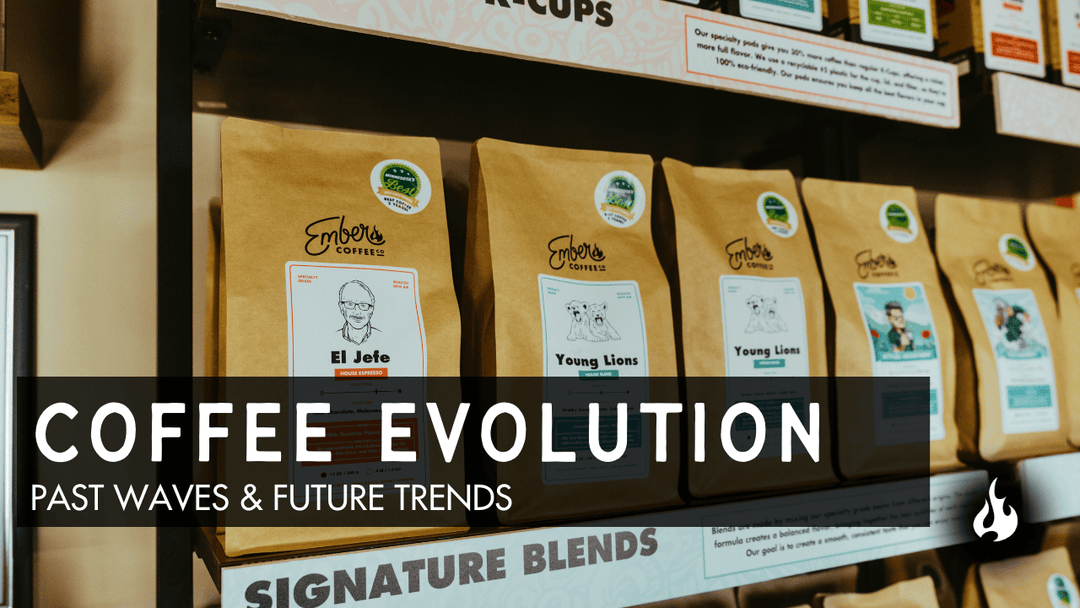
Coffee Evolution: Past Waves & Future Trends
The concept of "waves" in coffee has served as a vital framework for understanding the evolution of the coffee industry. Each wave represents a pivotal transition in how coffee is produced, perceived, and consumed. Originally coined by Trish Rothgeb in 2002, these waves have helped coffee enthusiasts, producers, and professionals contextualize the dynamic shifts within this beloved industry. But as we enter an era of blurred boundaries between waves, some argue the framework may no longer be relevant. Are these "waves" nostalgic relics of coffee culture, or do they still hold the power to inspire and guide us? Join us as we explore coffee’s rich history, its transformations, and where this delicious bean might take us next. The Power of Categorization in Coffee Why Are "Waves" Important to Coffee's History? Coffee waves provide historical context, helping enthusiasts and industry professionals alike connect shifts in coffee culture to broader social, technological, and economic changes. Each wave highlights how coffee transitioned from necessity to culture, to craft, and beyond. Trish Rothgeb’s classification wasn’t merely a timeline. It was a call to reflect on the state of coffee and where it could go. By understanding the waves, we gain insight into how the industry has shaped the experiences of coffee lovers throughout history. Coffee's Transformations: From Commodity to Craft First Wave Coffee: Democratizing the Bean The first wave of coffee began in the early 1800s when coffee became widely available to households. With the rise of brands like Folgers and Maxwell House, coffee was marketed for its convenience and affordability, not its quality. Instant coffee and pre-ground blends dominated store shelves, cementing coffee as a morning staple. This wave was the foundation of coffee culture, making the beverage accessible to millions. However, taste and quality took a back seat, as the focus was primarily on caffeine delivery. Second Wave Coffee: Coffee Culture Takes Root The second wave of coffee, which emerged in the 1970s, elevated coffee from a commodity to an experience. Coffeehouse chains like Starbucks and Peet's introduced consumers to espresso drinks, “fresh” roasts closer to their roasting date, and the idea of coffee as a social experience. During this phase, brewing became more than functional. Cafés became community hubs, and coffee was tied to identity and lifestyle. While quality received attention, the second wave primarily focused on creating an accessible, inviting atmosphere. Third Wave Coffee: The Craft Movement The third wave, heralded in the early 2000s, regarded coffee as an artisanal product. Enthusiasts compared it to fine wine or craft beer, emphasizing the art and science of coffee production. This era drew attention to the bean's origin, processing methods, and the growers behind the cup. Specialty coffee roasters, including many Minnesota coffee roasters like Ember Coffee in Big Lake, became central to this era. They embraced innovations like lighter roasts that brought out unique flavor notes and fostered direct trade relationships with farmers. A coffee from Ethiopia, for example, was no longer simply a “bean”—it was a story of soil, altitude, and craftsmanship. Transparency, sustainability, and roasting expertise defined the third wave. For modern coffee lovers, the third wave is still alive in spaces that champion single-origin, ethically sourced coffee in Minnesota and beyond. The Contested Fourth and Fifth Waves of Coffee Fourth Wave Coffee: Science vs. Scalability Defining the fourth wave of coffee is tricky because its identity depends on perspective. Some argue that fourth wave coffee emphasizes precision and science, relying on technological breakthroughs to create the perfect cup. Precision tools, water chemistry, and frozen beans are hallmarks of this shift. Others suggest that scalability is the defining characteristic. The fourth wave makes specialty coffee more accessible to mainstream audiences, blending craft with commerce and broadening the reach of high-quality coffee to less mature markets. For example, Minnesota-based operations tapping into specialty coffee trends have shown it is possible to scale without sacrificing quality. Fifth Wave Coffee: Craft Meets Big Business The fifth wave is the most debated of all. Often described as "scaled boutique hospitality," it seeks to deliver a hospitality-driven, artisanal experience on a large scale. This means quality, customer service, and business priorities blend seamlessly to offer both craft and convenience. However, some critics believe the fifth wave is more marketing than substance. They argue it simply packages fourth-wave values with a sharper emphasis on profit and scalability (debate source). Commentators Are Split: Are Coffee Waves Still Needed? The Case for Coffee Waves While critics argue that waves oversimplify the complexity of a global industry, the framework serves an important purpose. For coffee brands—including award-winning coffee roasters or regional hubs like Central Minnesota roasters—the historical lens of waves helps position businesses and educate consumers about the evolution of coffee. Understanding waves can demystify specialty coffee for those just entering the world of craft coffee. Whether you buy coffee at Starbucks or from a local Minnesota roaster like Ember Coffee, the waves provide an easy way to understand where your favorite brew fits into coffee's history. The Case Against Coffee Waves On a global scale, the waves can feel reductive. Coffee trends in Big Lake, Minnesota, might focus on accessible specialty roasts, while emerging markets like Eastern Europe or India may still be in their second wave. The framework doesn’t easily accommodate regional differences. Critics also argue that waves neglect producers, the people growing and harvesting coffee beans. While consumers enjoy innovation, producers face challenging questions about climate change, sustainability, and fair pricing that don’t easily align with the wave framework. Beyond Waves: Coffee’s New Frontiers The future of coffee may not lie in waves but in emerging trends that transcend past classifications. Here are three dynamic shifts shaping what's next: 1. Producer-Centric Coffee A growing emphasis on the well-being of coffee producers is reshaping supply chains. Fair trade and direct trade models are evolving to provide long-term support for farmers while ensuring ethically sourced coffee continues to delight consumers. 2. Sustainability as a North Star From compostable packaging to carbon-neutral coffee farms, sustainability is becoming central to the industry. Consumers are increasingly choosing brands, like certain Minnesota roasters, that are committed to environmentally friendly practices. 3. Technology Transforming Coffee Experiences Whether through precision grinders, AI-driven roasting, or app-based brewing methods, technology continues to revolutionize how we engage with coffee. The right innovations blend progress with accessibility, satisfying veteran enthusiasts and newcomers alike. What the Future Holds for Coffee Enthusiasts Understanding waves can still be helpful, but coffee’s future may lie in blended approaches. Whether you brew your daily cup at home or visit a Minnesota coffee roaster, one truth persists: coffee has endless depth for exploration. Want to learn more about what makes great coffee? Visit your local specialty coffee shop, or explore curated blends through trusted names in ethical coffee, like award-winning Minnesota coffee brands that emphasize craft, quality, and community.
Read more
Elevate Booster Club Fundraising
Partnering with Ember Coffee to Achieve Your Goals Are you part of a booster club or scouting organization in Big Lake, Minnesota, looking for an innovative way to fundraise? At Ember Coffee, we understand the challenges you face—from limited resources to the difficulty of engaging the community. That's why we're excited to offer a unique, locally roasted coffee fundraising solution that addresses these challenges while adding a dash of fun and flavor to your fundraising efforts. Understanding the Challenges of Traditional Fundraising Booster clubs and scouting organizations play a crucial role in supporting community activities and personal development. However, their nonprofit nature means they rely heavily on fundraising to cover a broad range of expenses. Traditional fundraising methods, like bake sales or car washes, often lead to volunteer burnout and community over-saturation. Here's how Ember Coffee offers a fresh alternative: Simplicity and Support: Our coffee fundraising program is designed to be straightforward, reducing the administrative burden on your volunteers. We handle the logistics, so you can focus on what really matters—supporting your programs. Standout Product: Unlike typical fundraising products, coffee is a daily staple in many households. Ember Coffee provides high-quality, locally roasted beans that capture the attention of adults who are most likely to support your cause. Profitable and Affordable: With our competitive wholesale pricing, your organization can set reasonable selling prices and still enjoy a healthy profit margin. This balance makes our coffee an appealing choice for both fundraisers and their supporters. No Logistics Nightmares: Coffee is non-perishable, lightweight, and easy to store and distribute. Say goodbye to the headaches of dealing with frozen pizzas or bulky items. Transparent and Straightforward: We believe in transparency. Ember Coffee clearly outlines profit margins and costs upfront, ensuring there are no unpleasant surprises. Engaging and Enjoyable: Coffee is not just practical; it's also enjoyable. Our fundraising program includes custom labels and seasonal blends, making each purchase feel special and directly connected to your cause. Why Choose Coffee for Your Next Fundraiser? Coffee is more than just a popular beverage; it's a versatile fundraising product that offers numerous benefits: Highly Consumable: Coffee is a product that many people use daily, which makes it easier to sell. It's not seen as a luxury but as a delightful necessity. Customizable: With Ember Coffee, you can customize your coffee bags with your organization's logo or a special message. This not only enhances the emotional connection but also boosts sales by aligning the product with your cause. Easy to Execute: Our coffee is easy to handle and distribute, making the fundraising process smooth and stress-free. Plus, with options for online sales, you can reach a broader audience beyond Big Lake. Unique and Fresh: Tired of the same old fundraising products? Coffee offers a unique alternative that stands out. It's a practical item that appeals to adults, ensuring your fundraising efforts resonate with a significant portion of the community. Potential for Ongoing Support: Coffee's consumable nature encourages repeat purchases. Satisfied customers are likely to buy again, providing ongoing support for your organization. How Ember Coffee Makes a Difference At Ember Coffee, we're not just about selling coffee; we're about creating connections and supporting communities. Our air roasting process ensures each batch of coffee is smooth and full of flavor, making every sip a testament to quality and care. By choosing Ember Coffee for your fundraising needs, you're not only getting a product that sells itself but also partnering with a company that values community and ethical sourcing. Ready to Brew Up Some Support? If you're in Big Lake, Minnesota, and interested in turning coffee into cash for your cause, Ember Coffee is ready to help. Whether you're funding a school trip, new uniforms, or a community project, our coffee fundraising program is designed to make it easy, enjoyable, and effective. Interested in learning more about our award-winning coffee and how it can help your next fundraiser? Just contact us directly. Let's make your next fundraiser a flavorful success!
Read more
Arabica Price Surge: Ember Insights
Coffee is more than just a drink; it's a ritual that unites us, a moment of warmth in our busy lives. For those of us nestled in Big Lake, Minnesota, sipping on a locally roasted brew from Ember Coffee, this connection feels especially profound. But as we cozy up with our cups, a seismic shift is rippling through the coffee world. Arabica futures have hit an unprecedented high of over US $4.30/lb, ushering in a new era that impacts everyone from coffee roasters near me to global traders. Unpacking the Surge: Why Are Prices Skyrocketing? This price hike isn't just a blip; it's a result of several converging factors. Brazil and Vietnam, the world's coffee giants, are grappling with supply shortages, compounded by climate-related challenges. Meanwhile, geopolitical tensions, like the fallout from tariff threats and the Russia-Ukraine conflict, have disrupted global trade flows, adding pressure to already strained stockpiles. For those of us enjoying our morning brew, this might seem distant. But remember, every sip we take is part of a vast, interconnected supply chain. And right now, that chain is under strain. What Does This Mean for Our Local Coffee Scene? In Big Lake, where the air is crisp and community ties are strong, we're witnessing firsthand how these global shifts trickle down. Local coffee roasters, including our team at Ember Coffee, are facing tough decisions. Prices are volatile, and the costs of production—like fertilizers and wages—are escalating. How we're navigating these waters Transparent Communication: We're committed to keeping you informed. Understanding the value of coffee means appreciating the journey from bean to cup, and we're here to share that story. Sustainable Practices: Ethical sourcing remains at our core. Despite market fluctuations, we prioritize relationships with farmers, ensuring they receive fair compensation for their hard work. Air Roasting Excellence: Our unique air roasting process not only enhances flavor but also showcases our commitment to quality. It's a gentle method that lets the beans' natural characteristics shine—a perfect match for our award-winning coffee. A Silver Lining: Opportunities for Connection While these price hikes pose challenges, they also offer a chance to deepen our connection to coffee. As prices rise, so does the opportunity to engage in meaningful conversations about the true value of every cup. How you can be part of the journey Learn with Us: Explore the complexities of coffee pricing, from climate impacts to market dynamics. Knowledge enhances appreciation, turning every sip into a moment of mindfulness. Support Local: By choosing locally roasted options, you contribute to a sustainable supply chain that benefits producers and our community. It's not just about coffee; it's about making a difference. Embrace At-Home Brewing: With more people brewing at home, now's the perfect time to experiment with different flavors and techniques. Our team is here to guide you, whether you're a seasoned barista or a curious newcomer. Looking Ahead: The Future of Coffee As we adjust to this new normal, one thing remains clear: coffee is resilient. The industry has weathered storms before, and together, we'll navigate these changes with grace and adaptability. What can we expect? Price Adjustments: While prices may continue to rise, the focus will be on finding a balance that supports both producers and consumers. Industry analysts predict retail coffee prices could increase by up to 25%, a shift that will require careful navigation. Consumer Behavior Shifts: As prices rise, we may see more people opting for at-home brewing or seeking value brands. Yet, the love for quality coffee remains strong, especially in communities like ours that value authenticity and connection. Ongoing Education: We'll continue to share insights and stories, from the farms where our beans grow to the cups we enjoy. It's about fostering a deeper understanding and appreciation for the craft of coffee. Join Us in This Journey At Ember Coffee, we believe in the power of community and the magic of a good cup of coffee. As this new era unfolds, we invite you to join us in exploring, learning, and savoring every moment. Whether you're a neighbor in Big Lake or a coffee lover from afar, let's raise our mugs to resilience, connection, and the rich tapestry of flavors that bring us together.
Read more
Running a Successful Fundraiser
Making a Difference with Every Cup At Ember Coffee, nestled in the heart of Big Lake, Minnesota, we're more than just your average coffee roasters near you. We're a community-focused hub dedicated to making a significant impact through our award-winning coffee. Our fundraising program is designed to support your goals, offering a unique way to raise funds while enjoying the rich, locally roasted coffee that you love. The Unique Appeal of Coffee Fundraising Why choose coffee for your next fundraiser? It's simple: coffee is a part of the daily routine for millions of people. This makes it not just convenient but also a highly effective fundraising product. Here’s why coffee stands out: Universal Appeal: Coffee is enjoyed by a vast audience every day, unlike seasonal or niche items. Everyday Staple: It integrates seamlessly into daily lives, making it a practical choice for supporters. Long Shelf Life: Unlike perishables, coffee maintains its quality over time, ensuring your fundraiser is stress-free regarding product handling. How Our Fundraising Program Works Partnering with Ember Coffee means you're set for a straightforward and impactful fundraising journey. Here’s how we make it happen: Simple Setup: We use Shopify to integrate sales processes smoothly, making management hassle-free. Support Materials: You’ll receive all the marketing materials and support needed to promote your fundraiser effectively. Transparent Pricing: We ensure clarity in pricing and profits, so there are no surprises along the way. Customization Options: Personalize your coffee labels to make each bag of coffee feel special to your supporters. Why Ember Coffee is Your Ideal Fundraising Partner Choosing Ember Coffee for your fundraiser isn’t just about selling coffee—it's about creating an experience and making an impact. Here’s what makes us stand out: Locally Roasted Perfection: Our coffee is roasted locally in Minnesota, ensuring every batch is fresh and flavorful. Ethical Sourcing: We prioritize ethical sourcing, ensuring that every cup provides not only pleasure but also peace of mind. Ongoing Support: Our team is here to guide you through each step, providing the tools and advice needed to maximize your success. A Step-by-Step Guide to Running an Effective Fundraiser To launch a successful fundraising campaign, consider these practical steps: Define Your Goals: Clearly articulate what you’re raising funds for. This clarity motivates and connects people to your cause. Build a Dedicated Team: Assign roles and responsibilities to ensure every aspect of your fundraiser is covered. Create a Timeline: Set deadlines for order placements and deliveries to keep your campaign on track. Promote Actively: Use social media, emails, and community events to spread the word effectively. Engage and Motivate: Keep your team motivated with incentives and regular updates to maintain high energy levels. Simplify Participation: An easy-to-navigate online store will make it straightforward for supporters to contribute. Year-Round Fundraising Strategies To keep the momentum going throughout the year, consider these strategies: Plan Ahead: Outline your main fundraising activities for the year to avoid last-minute planning. Vary Your Methods: Mix different types of fundraising activities to keep your audience engaged and interested. Leverage Seasonal Opportunities: Take advantage of specific times of the year that are conducive to fundraising. Keep Communicating: Regular updates keep your community involved and informed about your efforts. Show Appreciation: Always thank your supporters and share the outcomes of their contributions to reinforce trust and appreciation. Why This Matters At Ember Coffee, we believe in the power of community and the simple joy of a great cup of coffee. Our fundraising program is more than just an opportunity to raise money; it's a chance to bring people together, support local efforts in Minnesota, and enjoy some of the finest locally roasted coffee around. Ready to start your fundraising journey with us? Reach out to us today and let’s brew some success together!
Read more
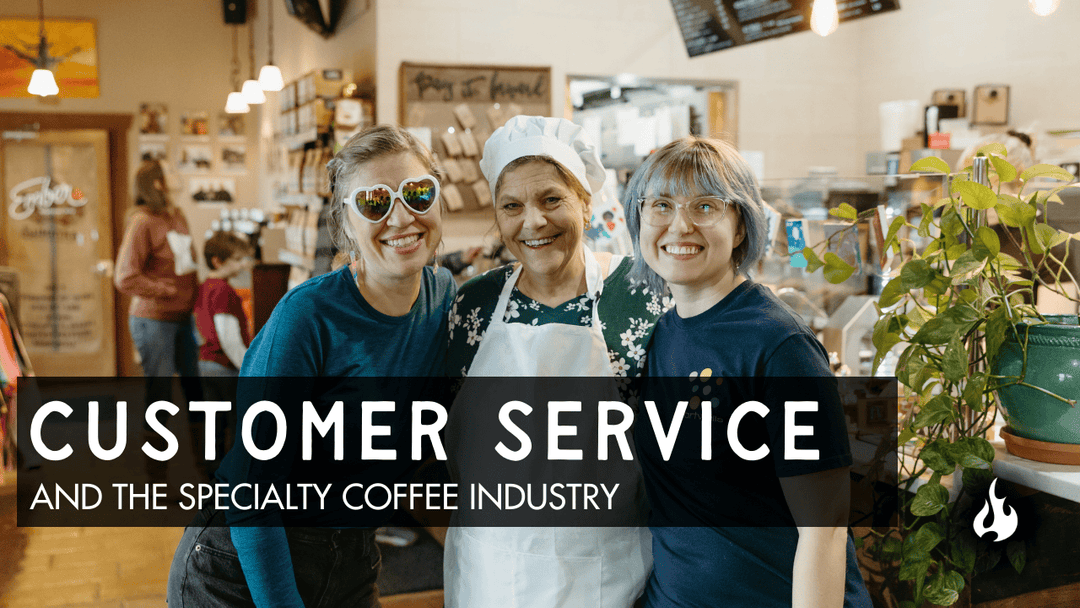
Brewing Community and Connection
The Essence of Specialty Coffee Coffee is more than just a caffeinated beverage. It’s a ritual, a conversation starter, and a bridge that connects people. At Ember Coffee, nestled in the heart of Big Lake, Minnesota, we believe in creating that connection through our locally roasted, award-winning coffee. Today, we want to delve into the importance of customer service in the specialty coffee industry, and how we strive to uphold it in spite of the growing trend towards automation. Since the birth of the coffee industry, customer service has been paramount. The evolution from consumers expecting their coffee to be roasted for them in the 1800s to the modern-day emphasis on freshness, quality, and craft, has transformed the way coffee shops engage with their customers. The rise of chains like Starbucks and Peet’s has put hospitality and service at the forefront of business operations, a trend that third wave and specialty coffee brands, like Ember Coffee, have embraced and built upon. However, the increasing adoption of automation in the industry presents a challenge. While new technologies streamline service, they also risk diluting the barista culture, a vital part of the specialty coffee experience. As Starbucks' recent strategy shift towards simpler menus and premium experiences demonstrates, coffee shops can't afford to sacrifice the customer experience for efficiency. In an article published by Perfect Daily Grind, Maxwell Colonna-Dashwood, the managing director of Colonna Coffee, and Laila Ghambari, the owner of Juniors Roasted Coffee and Guilder Café, discuss the complexities of offering exceptional customer service in the specialty coffee industry. The Art of Customer Service in Specialty Coffee In the world of specialty coffee, baristas are not just service providers; they are artisans. They dial in espresso, pour latte art, hand brew pour overs, and explain the nuances of extraction and flavor. This transforms coffee into more than just a product, creating an elevated sense of hospitality and enhancing the overall customer experience. However, as the industry expands and becomes increasingly competitive, offering exceptional service and serving high-quality coffee alone is no longer enough to retain a consumer base and attract new customers. Even Starbucks, a giant in the industry, has grappled with this challenge, as their sales dipped in key markets throughout 2023 and 2024. Specialty Coffee's Edge: Authenticity and Connection Despite the challenges, specialty coffee shops like Ember Coffee have an edge over bigger chains. Our commitment to artisanry, craft, and ethical sourcing signals to our customers that they are not just buying a product, but an experience. We believe in fostering intimate relationships with our customers, creating a personable service that larger coffee businesses often struggle to replicate. According to the Edelman Trust Barometer, 88% of consumers said trust is critical when deciding which brands to buy or use, with customer service a close second at 85%. This puts specialty coffee shops and roasters in a better position to navigate an increasingly challenging market. The Double-Edged Sword of Automation Automation has become a prominent part of the coffee industry. While it improves efficiency and resolves persistent problems such as staff training and barista shortages, it also risks eroding the artistry required to prepare and serve quality coffee. The increasing prominence of touchscreen kiosks and QR codes in restaurants and hospitality businesses might have improved efficiency, but it also risks creating a “faceless” business. As we move towards a more automated future, it's crucial for coffee shops to strike a balance between efficiency and hospitality. The face-to-face human connection that baristas provide proves critical for specialty coffee shops to stay true to their core values of hospitality. However, it’s only one part of a much wider customer experience. Navigating the Future of Customer Service in Specialty Coffee The rise of tech-driven solutions for coffee shops will undoubtedly improve efficiency, consistency, and speed of service. But with a challenging year ahead, coffee shops may choose to implement automation across the board, streamlining more than just coffee preparation. As Laila Ghambari rightly points out, "The future of customer service is not about sharing more information but investing in the experience that guests have, whether with a person or not." Digital hospitality will become more important, and customer service will continue evolving. At Ember Coffee, we are committed to navigating these changes without losing sight of what makes us unique. We understand that our customers don't just come to us for our award-winning, locally roasted coffee. They come to us for the conversations, the connections, and the community that we foster. And no matter how the industry evolves, that is something we will always strive to provide.
Read more
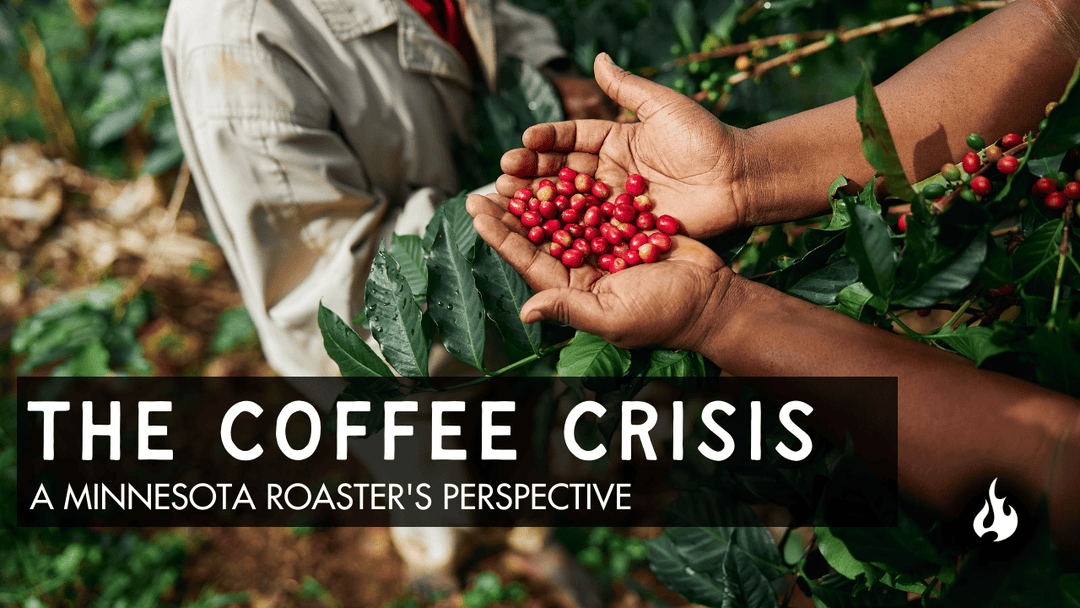
Navigating the Coffee Crisis
A Minnesota Roaster's Perspective As the sun rises over the snowy landscape of Minnesota, the aroma of freshly roasted coffee wafts through the air at Ember Coffee's roastery. It's a scent that has become increasingly precious in recent months, as the coffee industry grapples with unprecedented challenges. As a local roaster deeply committed to our community, we want to share our journey through these turbulent times and our vision for the future. The Perfect Storm Brewing in Our Cups The story of today's coffee crisis begins far from our cozy Minnesota cafes, in the lush hillsides of Colombia and the vast plantations of Brazil. A series of events have converged to create what many in the industry are calling a "perfect storm": Climate Chaos: Mother Nature has not been kind to coffee growers lately. In Brazil, the world's largest coffee producer, severe droughts followed by unexpected frosts have decimated crops. Farmers watched helplessly as their carefully tended plants withered under the scorching sun or succumbed to the icy grip of frost. The result? A staggering 40% reduction in yields in some areas. Unseasonal Deluges: Meanwhile, in Vietnam, the second-largest coffee producer globally, unseasonal rains have wreaked havoc. Coffee cherries, which should have been ripening under gentle sunshine, instead rotted on the branches, leading to significant crop losses and quality issues. Geopolitical Jitters: As if weather woes weren't enough, the coffee market found itself caught in a political crossfire. In early 2025, rumors swirled about potential U.S. tariffs on Colombian coffee. Though never implemented, the mere whisper of trade restrictions sent prices soaring by 15% in just a week, highlighting the fragility of global coffee trade relationships. Supply Chain Snarls: The journey of coffee beans from farm to cup has become increasingly complex and costly. Ongoing logistical challenges, exacerbated by fuel price hikes and labor shortages, have inflated transportation costs. The price of shipping a container of coffee has tripled since 2023, adding another layer of pressure to already strained margins. Market Speculation: As news of crop failures and potential shortages spread like wildfire, market speculators pounced. Their actions drove coffee futures to unprecedented heights, with the C-market price for Arabica coffee reaching a jaw-dropping $3.84 per pound in February 2025 – a 47-year high. The Ripple Effect Reaches Minnesota Here at Ember Coffee, nestled in the heart of Minnesota's vibrant coffee scene, we've felt the tremors of these global shifts. The impact on our operations and community has been profound: Margin Squeeze: Green coffee now accounts for a staggering 60-70% of our production costs, up from 40-50% just two years ago. This dramatic increase, coupled with rising energy and labor costs, has put immense pressure on our margins. Sourcing Struggles: Maintaining the consistent flavor profiles our customers love has become increasingly challenging. We've had to be more flexible in our sourcing, sometimes substituting origins or adjusting roast profiles to compensate for changes in bean characteristics. Pricing Predicaments: As a community-focused roaster, we're acutely aware of the impact price increases have on our customers. We've been forced to make difficult decisions about when and how to adjust our pricing to reflect the new market realities while remaining accessible to our loyal patrons. Crafting a Sustainable Future, One Bean at a Time Despite these challenges, we at Ember Coffee believe that this crisis presents an opportunity for positive change. Like the phoenix rising from the ashes, we're determined to emerge stronger and more sustainable. Here's how we're adapting: Nurturing Direct Trade Relationships: We're doubling down on our direct trade partnerships, offering long-term contracts at stable prices to our farmer partners. This approach not only secures our access to high-quality beans but also provides farmers with the financial security to invest in sustainable practices and climate adaptation measures. Diversifying Our Offerings: To offset rising costs and keep things exciting for our customers, we're expanding our product range. Limited edition micro-lots, experimental processing methods, and unique Minnesota-inspired coffee blends are just a few of the innovations we're exploring. Empowering Through Education: We believe that an informed customer is a loyal customer. We've launched a series on Roasting 101 on our YouTube site, and we're planning a Coffee 101 cupping sessions at our Big Lake roastery. These programs help our community understand the complexities of coffee production and pricing, fostering a deeper appreciation for the craft behind each cup. The Power of the Minnesota Coffee Lover As we navigate these challenges, the support and understanding of our customers are more crucial than ever. Here's how Minnesota coffee enthusiasts can contribute to a more sustainable coffee ecosystem: Embrace Transparency: We encourage our customers to ask questions about pricing, sourcing, and roasting practices. Understanding the true cost of producing exceptional coffee can help justify price adjustments when necessary. Value Quality Over Quantity: By choosing to invest in higher-quality, ethically sourced coffee, consumers can help support fair wages for farmers and sustainable agricultural practices. Support Local Roasters: Minnesota's local roasters, like Ember Coffee, are deeply invested in our communities. By choosing local over national chains, consumers help keep money circulating in the local economy and support businesses that prioritize sustainability and ethical sourcing. Experiment with Brewing Methods: Different brewing methods can extract unique flavors from coffee beans. By exploring various brewing techniques, consumers can maximize the value and enjoyment they get from each bag of coffee. Envisioning a Brighter Future for Minnesota Coffee As we look to the horizon, we see challenges, but also immense potential. Our vision for the future of specialty coffee in Minnesota is one of resilience, innovation, and community: A More Resilient Supply Chain: We're exploring collaborations with other Minnesota roasters to potentially secure better prices and more stable supply chains through collective purchasing power. Increased Local Collaboration: We envision a future where coffee is increasingly integrated into Minnesota's local food scene. Imagine coffee-infused craft beers, chocolate truffles featuring our single-origin roasts, or seasonal menus at local restaurants built around coffee pairings. Innovation in Sustainability: We're investing in research on more sustainable packaging options and exploring ways to upcycle coffee chaff and other by-products of the roasting process. Our goal is to minimize our environmental impact while maximizing the value we create. A More Educated Consumer Base: Through continued education efforts, we aim to cultivate a community of coffee enthusiasts who appreciate the craftsmanship behind every cup and understand the global impact of their purchasing decisions. Conclusion: United in Our Love for Great Coffee As the aroma of freshly roasted coffee continues to fill our roastery, we're reminded of why we do what we do. The current coffee price crisis is undoubtedly one of the most significant challenges our industry has faced in decades. However, at Ember Coffee, we believe that by staying true to our values of quality, sustainability, and community, we can not only weather this storm but emerge stronger on the other side. To our loyal customers and coffee lovers across Minnesota: your support during these turbulent times means more than you know. Every bag of Ember Coffee you purchase, every latte you enjoy in our cafe, is a vote for a more sustainable and equitable coffee future. As we navigate these uncharted waters, we remain committed to transparency, quality, and the relentless pursuit of the perfect cup. Together, we can ensure that Minnesota remains a beacon of excellence in the world of specialty coffee, no matter what challenges lie ahead. Thank you for being part of our journey, for your understanding during these difficult times, and for your unwavering love of great coffee. Here's to many more shared moments over a steaming cup of Minnesota's finest brew. Warmly,The Ember Coffee Team
Read more